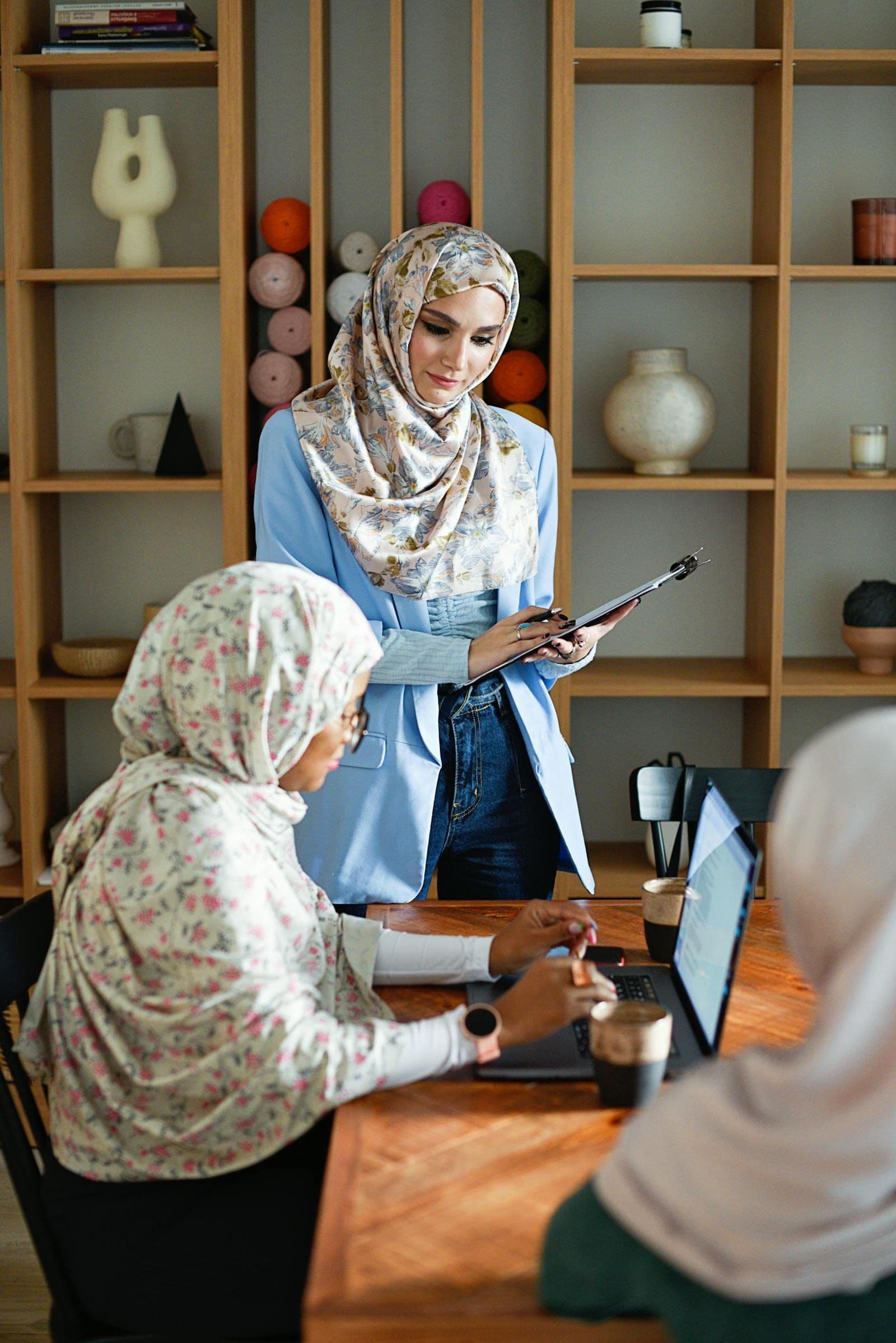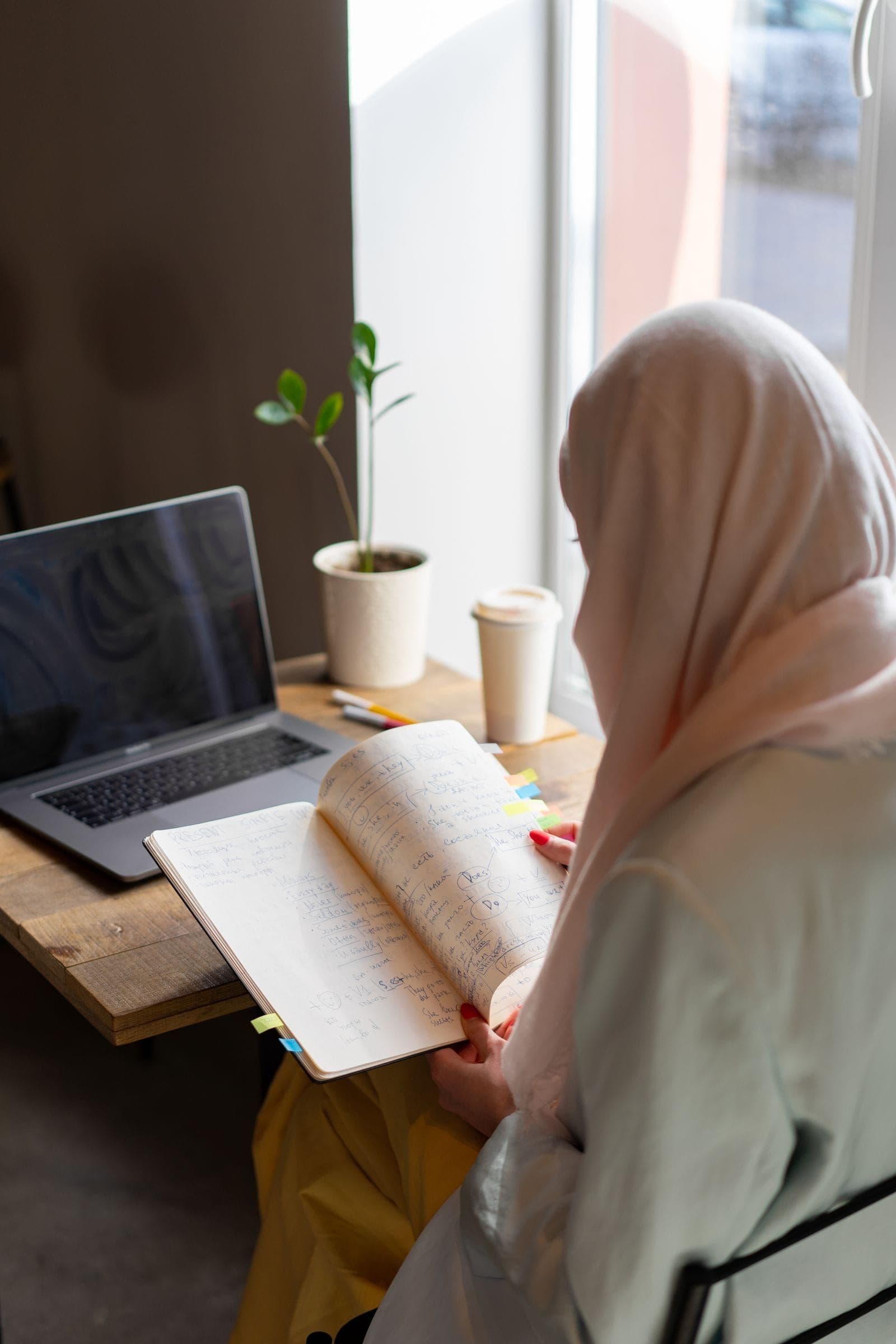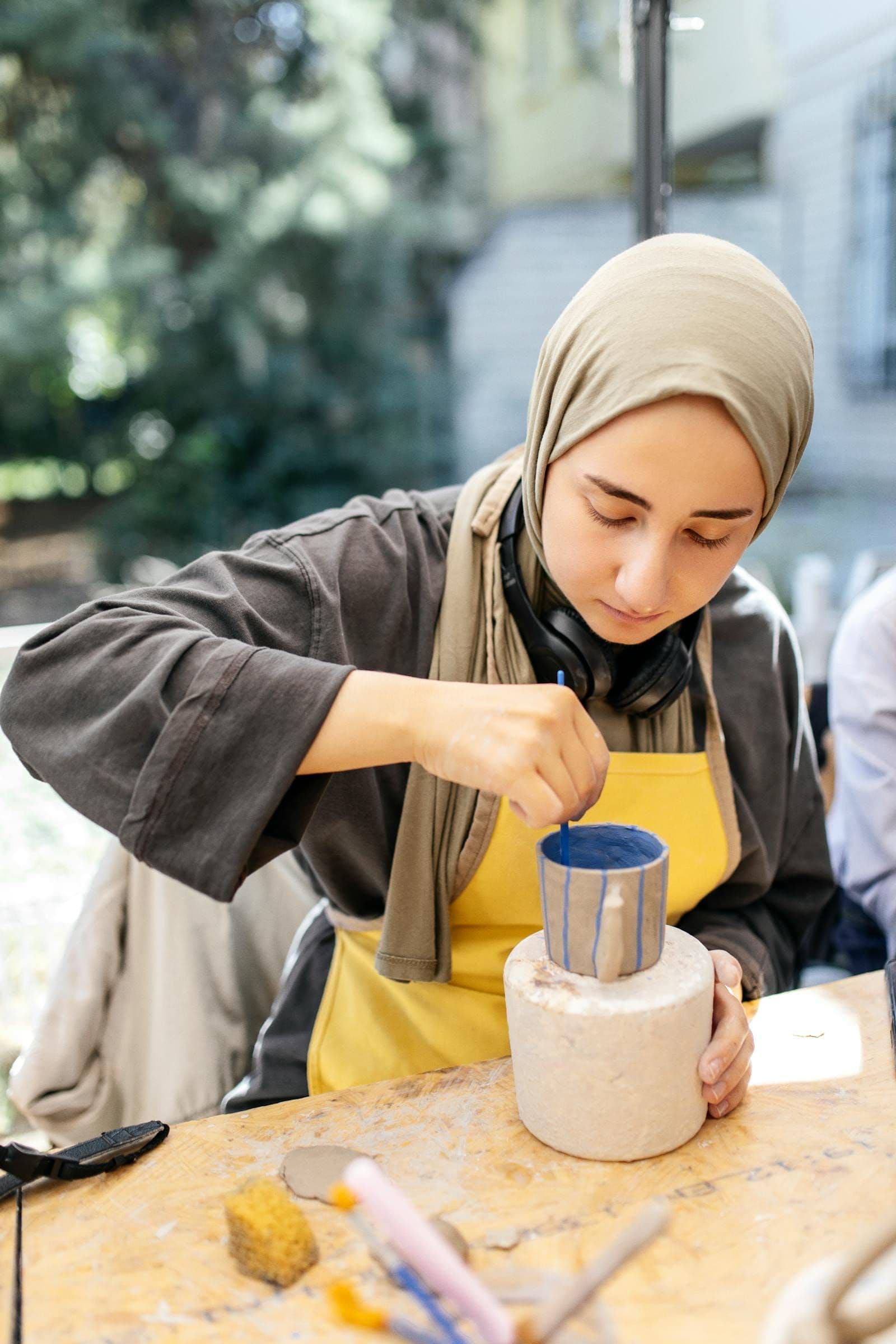
في مختلف مناطق الأردن، تمتلك آلاف النساء مهارات تعلمنها في المنزل — التطريز والخياطة والطبخ والحرف. وما يفصل المهارة عن الدخل نادرًا ما يكون الموهبة، بل الجسر العملي: جودة الإنتاج، والتسعير، والتغليف، والوصول إلى الزبائن.
هذا الجسر هو بالضبط ما ينبغي أن يبنيه التدريب المهني. فالبرنامج الجيد لا يقف عند التقنية، بل يتعامل مع المشاركة بوصفها منتِجة مستقبلية: ماذا يشتري السوق؟ وبأي سعر؟ وكيف تقدّمين عملك ليُنافس بغير العاطفة؟
في برامجنا المهنية، هذا التفكير جزء من المنهاج نفسه. تُنهي المشاركات البرنامج بمنتجات لا بتمارين فحسب — وبخطة مبسطة لتحويل الحرفة إلى مشروع منزلي، وكثيرًا ما يكملن إلى برنامج ريادة الأعمال.
التمكين الاقتصادي ليس شعارًا، بل سلسلة خطوات صغيرة عملية — تبدأ بتدريب يأخذ النساء على محمل الجد بوصفهن فاعلات اقتصاديات.
تخيّلي مشاركة تلتحق ببرنامج التطريز وهي تعرف الغرزات الأساسية مسبقًا. خلال البرنامج تُوحّد عملية إنتاجها، وتتعلم كيف تُكلّف القطعة للسوق المحلية، وتُعدّ خطًا صغيرًا من المنتجات. وبحلول الجلسة الأخيرة تكون لديها قطع جاهزة لأول عملية بيع — ليس علامة تجارية مكتملة، لكن نقطة انطلاق فعلية قابلة للبناء عليها.
مسار ريادة الأعمال يكمل تلك النقطة بالضبط: يتناول استراتيجية التسعير، ومسك الدفاتر البسيط، وكيفية التعامل مع المحلات والمعارض أو القنوات الإلكترونية — ويمنح المشاركات الطبقة التجارية التي لا يستطيع برنامج الحرفة وحده توفيرها.